
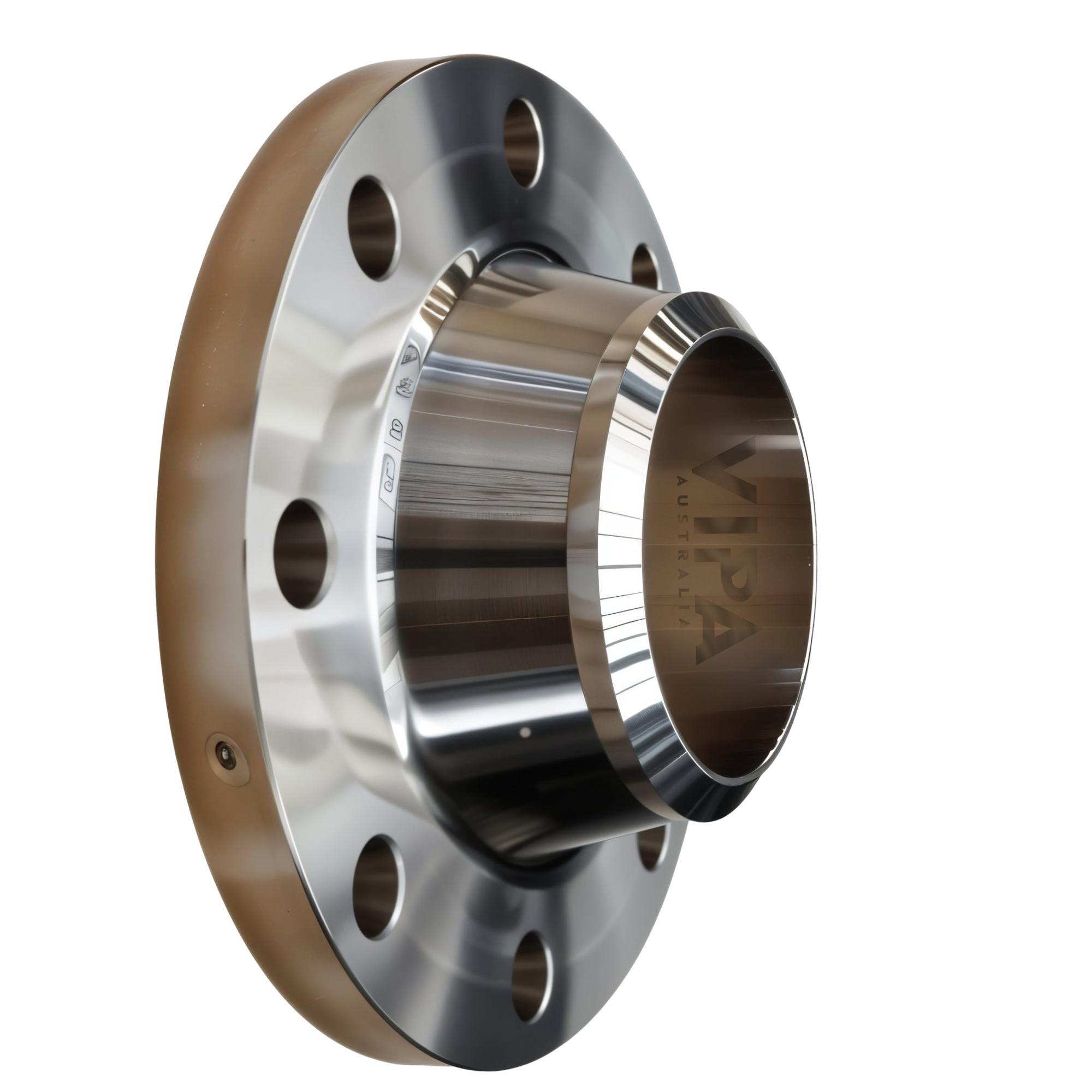
Weld Neck flanges feature a long, tapered hub that smoothly connects the flange to the pipe, matching the pipe’s wall thickness. This structural design offers:
-
Enhanced strength for high-pressure systems
-
Superior durability against bending and thermal stress
-
A complete, deep weld for maximum integrity
-
Optimal performance under extreme pressure and temperature conditions
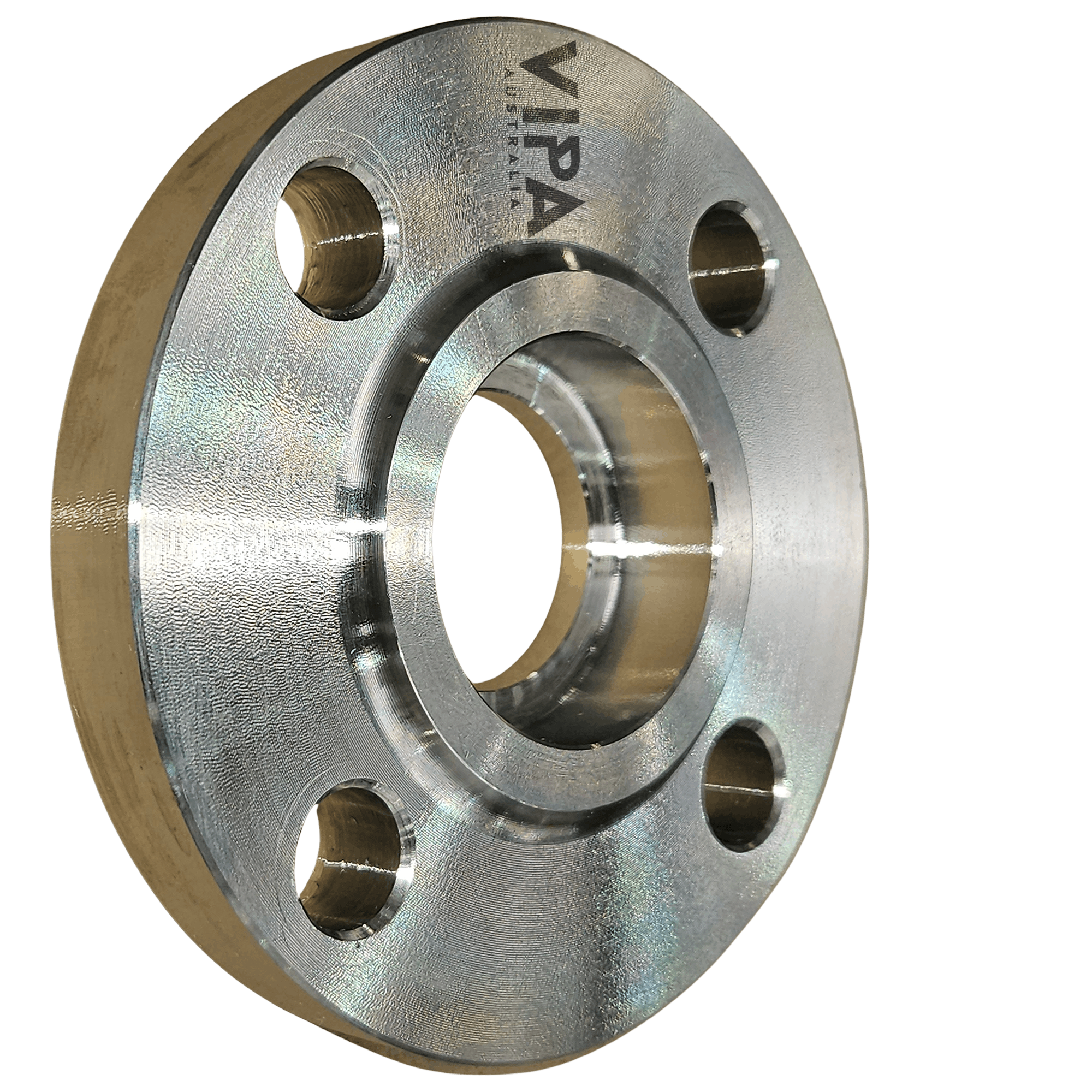
Slip-on flanges are designed to slide over the pipe and are typically welded on both the inside and outside to provide strength and prevent leakage. These flanges offer:
-
Cost-effective alternative to weld neck flanges
-
Simplified alignment during installation
-
Ideal for low to moderate pressure and temperature systems
-
Widely used in general industrial, water, and utility applications
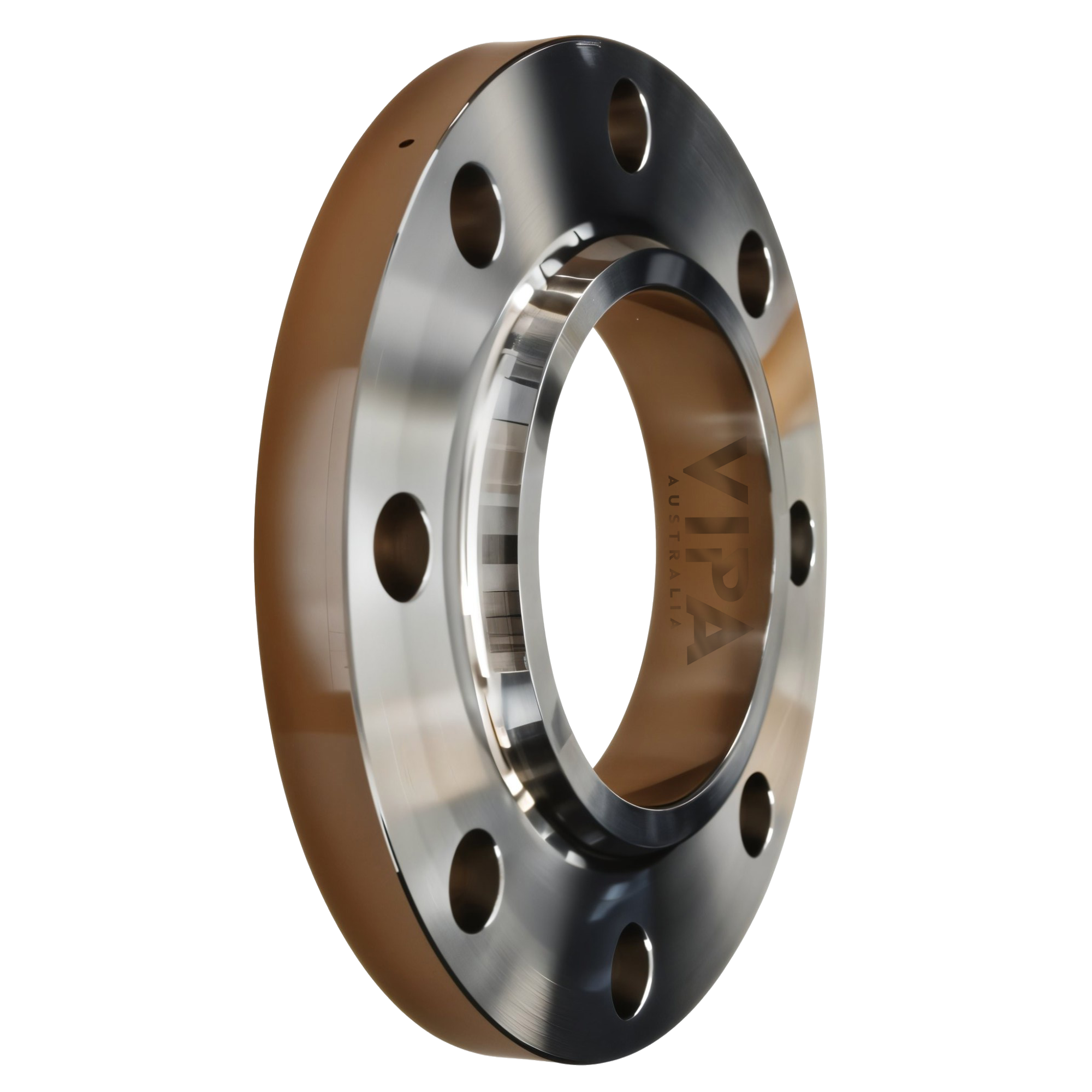
Socket weld flanges are designed with a recessed socket to insert the pipe, which is then fillet welded around the hub. This design ensures a smooth bore and strong connection, making them ideal for:
-
Small diameter, high-pressure pipelines
-
Critical applications, including nuclear and chemical systems
-
Piping systems requiring frequent disassembly and reassembly
They provide a reliable, leak-proof joint in demanding environments where precision and durability are essential.
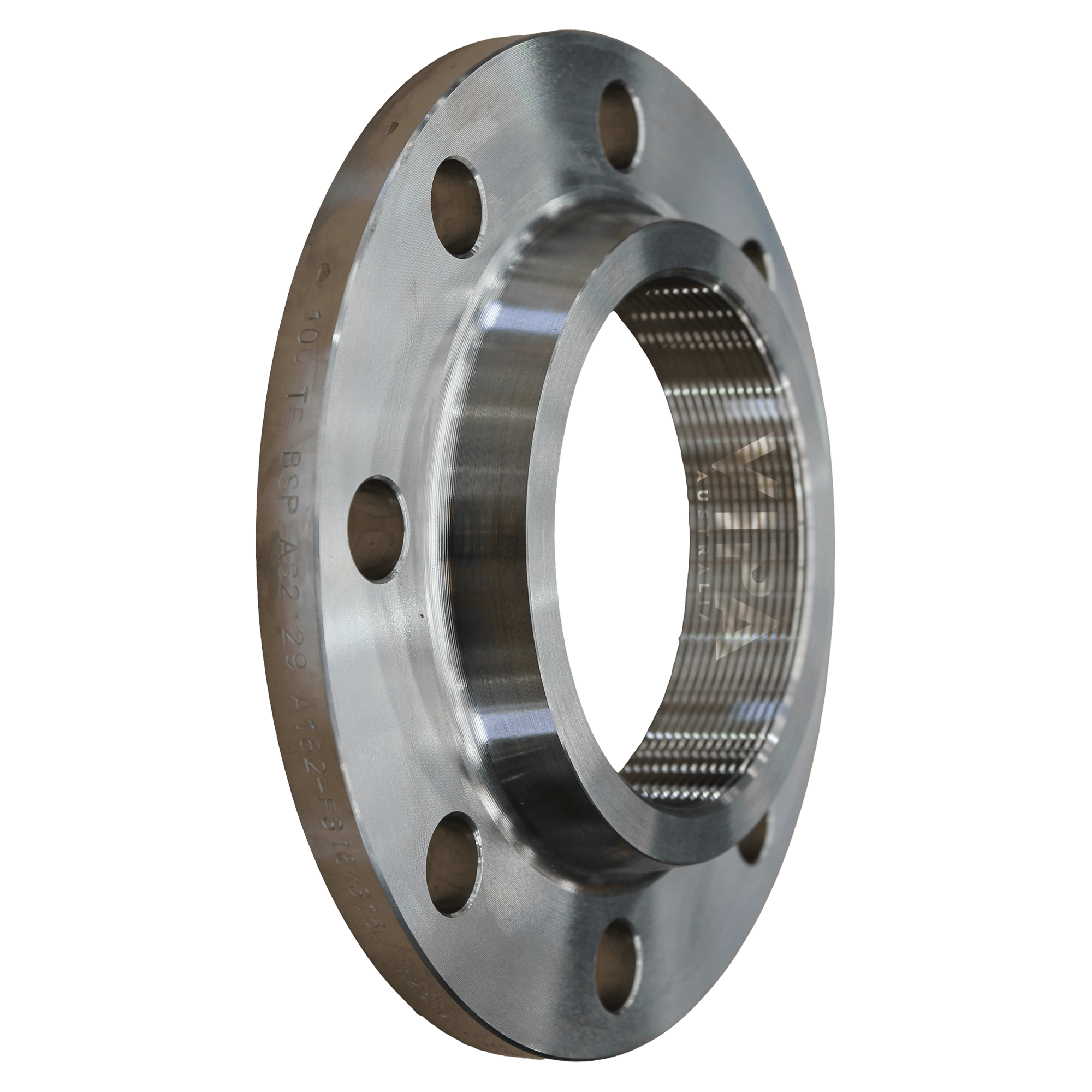
Threaded flanges are designed with internal threads that match the external threads of the pipe, allowing the flange to be screwed on without welding. This makes them especially useful in:
-
Non-weld applications, such as hazardous or explosive environments
-
Temporary or adjustable connections
-
Low-pressure and low-temperature systems
Threaded flanges offer a convenient and cost-effective solution for specialized piping needs where welding is impractical or restricted.
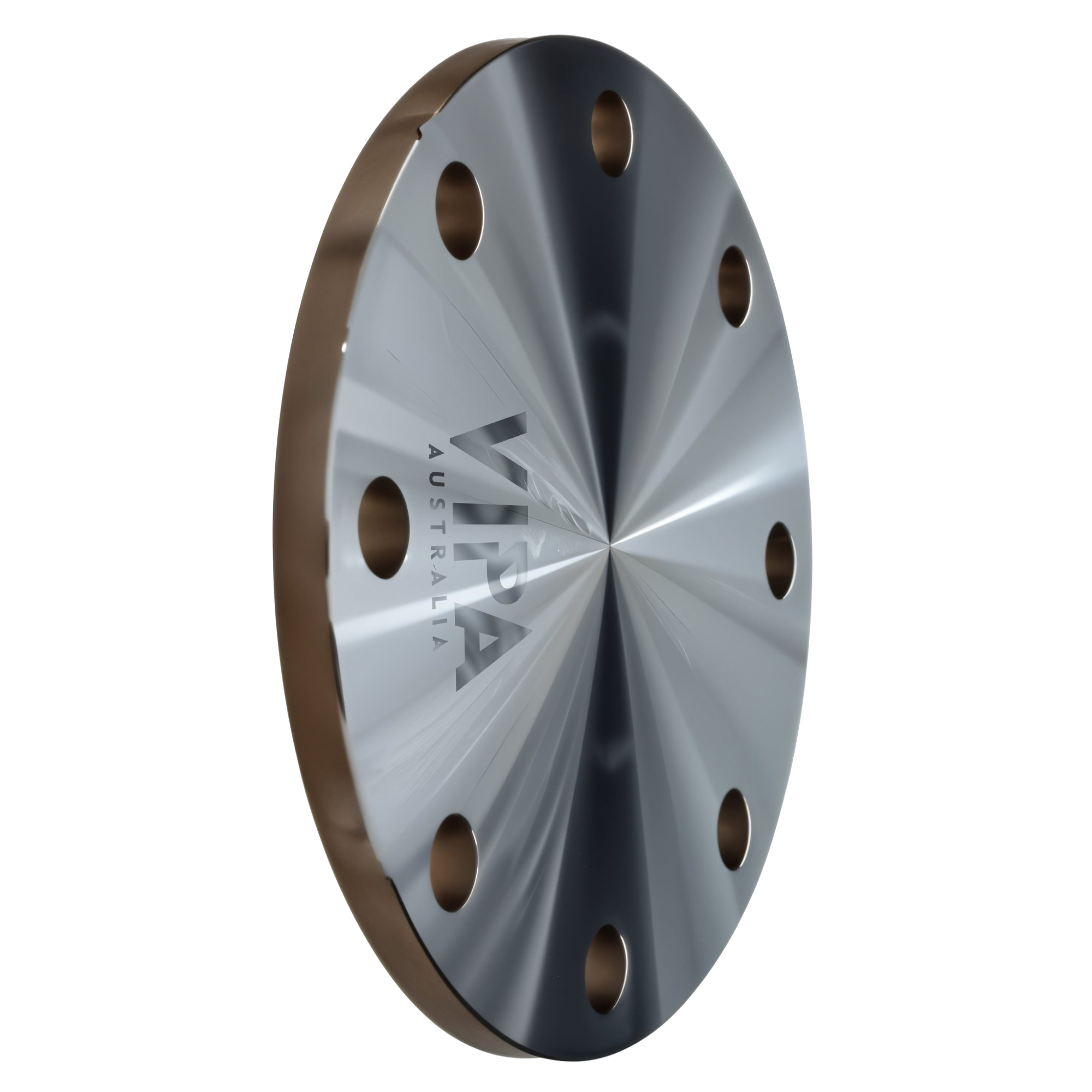
Blind flanges are solid, disk-shaped components used to close off the ends of piping systems. Unlike other flanges, they do not have a bore, making them ideal for:
-
Terminating or sealing the end of a pipeline or pressure vessel
-
Providing access for internal cleaning, inspection, or maintenance
-
Allowing future expansion by enabling easy reconnection or extension
-
Creating temporary closures during pressure testing or system isolation
They are essential in systems where reliable sealing and future flexibility are required.
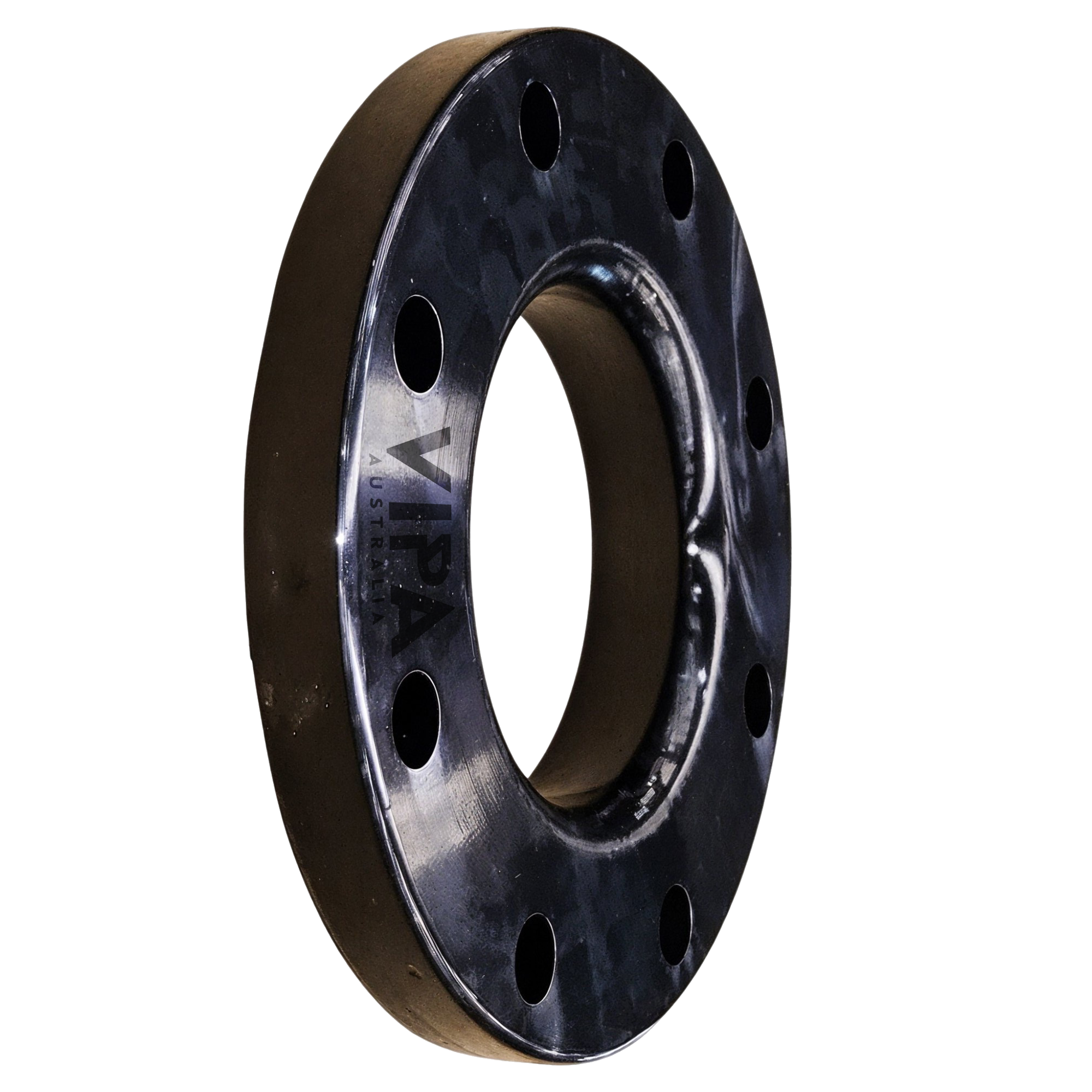
Lap joint flanges are used in combination with stub ends and are not welded to the pipe themselves. Instead, the flange slides over the pipe and is held in place by the stub end, offering:
-
Easy rotation for perfect bolt hole alignment
-
Cost savings when using expensive or exotic materials (only the stub end requires the special material)
-
Simplified maintenance and replacement, especially in systems that require frequent disassembly
These flanges are ideal for systems where flexibility, corrosion resistance, and frequent access are priorities.